GLERA · Since 1951
Our History
From Italian vineyards to vibrant community — 130 years of heritage
Where It All Began
Where It All Began
The story of Lombardy begins not with houses and streets, but with vineyards and dreams
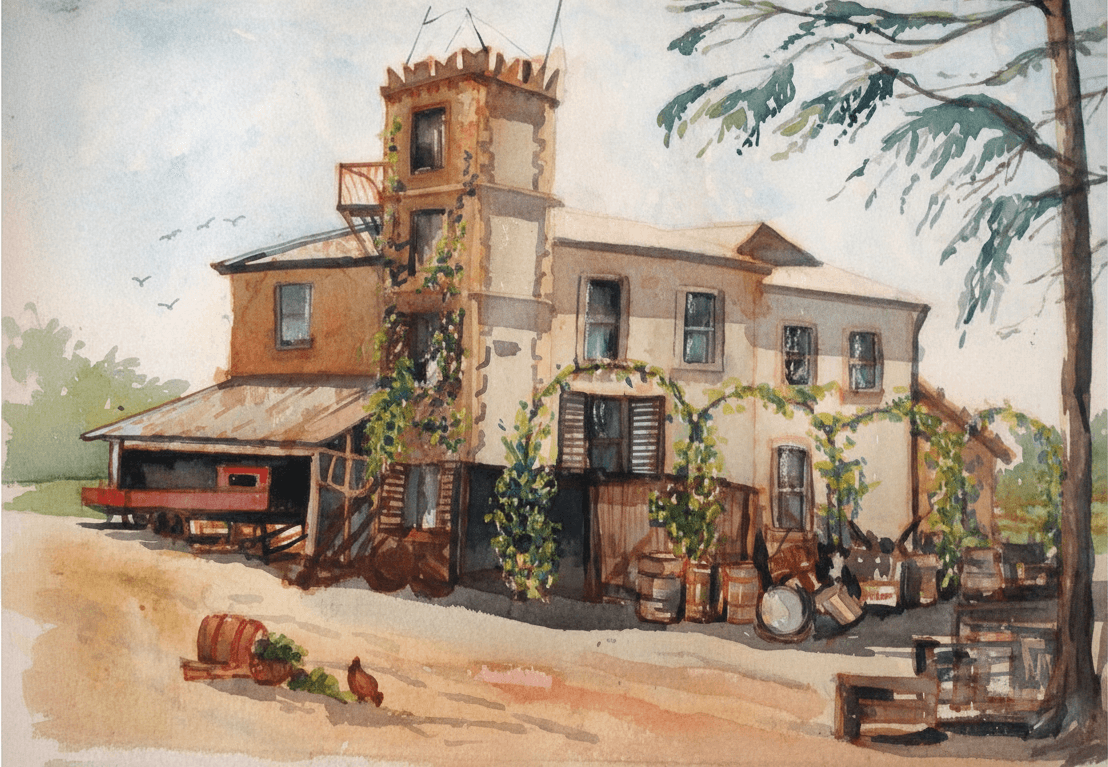
In 1893, Michele Zoccola arrived from Lombardy, Italy, and purchased 4,000 acres of bare veld along the Jukskei River. What others saw as barren land, he envisioned as fertile vineyards. Despite skeptics who claimed grapes couldn't grow at 6,000 feet altitude, Zoccola planted millions of vines and fruit trees. By 1902, he was producing the first wine ever made in the Transvaal — wine that connoisseurs declared excellent quality. The estate flourished with vineyards, orchards, and even an amethyst mine at what is now Keats Road. This Italian heritage gave our area its name and character.

The vineyards of Lombardy Estate once covered these lands, producing the Transvaal's first wines
The Journey
The GLERA Story
From pioneer settlers to organised community — building a suburb from scratch.
Pioneer Years
Milton Frankle bought the first stand in 1948 for £475 — a half-acre corner plot in what friends called "the bundu." Only 4 houses existed. No roads, no telephones, no street lights, no shops. Just veld, where you could still see the lines of old vineyards across the landscape. By 1951, pioneers were moving in. Yvonne Wilson's house foundation was the first in Heine Road. Residents planted grass in never-ending rows, watched cows from Alexandra walk through their gardens, and heard ox-wagons selling watermelons creak down the dirt tracks.
"It was out in the bundu — you must be crazy in the head" — What people said about buying in Lombardy East
The Ratepayers Association
Neighbors formed one of the most efficient Ratepayers Associations in the region. Milton Frankle became the first Chairman, serving until 1959. Every committee member had a portfolio — roads, telephones, trees, drainage — and reported monthly on progress. They started "The Poplar" magazine (named after the poplar trees everyone planted) to keep residents informed. This wasn't just a newsletter — it was the voice of a community building itself from nothing.
Building From Scratch
Residents didn't wait for government — they built it themselves. They secured loans for storm water drains, fought monthly for telephone lines (only 6 phones allocated at first), and trained as volunteer firefighters every Saturday with Johannesburg Fire Department. They bought a fire engine for £150, built a split-pole garage at the police station to house it, and even trained women firefighters to respond during the day. The Lombardy East Club was built entirely by residents — digging foundations, laying bricks, doing electrical work on weekends. The tree planting campaign transformed bare veld into the forest you see today.
The Fight for Johannesburg
When Edenvale tried to incorporate Lombardy East, residents fought back. They surveyed every household: Where do you work? Where do you shop? Where do you play sport? The answer was overwhelming — 90% pointed to Johannesburg. The battle went all the way to the Minister of Justice. Armed with comprehensive data and determination, they won. Lombardy East became part of Johannesburg, solving transport and infrastructure problems overnight.
Rembrandt Park School
The school opened its doors for the first time with 168 learners on land that was once Zoccola's vineyard. The school badge still honors this heritage — three grapevine leaves representing the farm that once was. The Residents' Association had fought hard for this school. It became the heart of the community, where teachers lived locally and were "an institution in the area."
A New Era
The police station relocated from Milton Road to Modderfontein Road, Sandringham, to serve a larger area. The station that residents had fought to establish in the 1950s moved to a more central location, marking the area's growth and evolution.
Digital Transformation
GLERA evolved from the Ratepayers Association, embracing technology while honoring tradition. The Reporter App, boom gate systems, and digital communication tools represent the same spirit of innovation that built the suburb from scratch. Today's GLERA continues the legacy of those pioneers — neighbors working together, solving problems, and building a community worth protecting.
In Their Own Words
The People Who Built It
First-hand accounts from the pioneers who turned open veld into a thriving suburb.
“We formed this Ratepayers Association and it was one of the most efficient and keen Ratepayers Associations. Everybody had a job and everybody had to report at the monthly meeting. That's what made it interesting.”
Milton Frankle
First Chairman (1951–1959)
“When we stood on our stand and looked across the veld we could see rows of lines where years before there had been vineyards. This is where Lombardy East got its name.”
Yvonne Wilson
Pioneer Resident (1951)
“We wanted the place to look like something. If you come down from Johannesburg Road and look across, you can see Lombardy East and it looks like a forest. We started that from scratch.”
Ken Parkinson
On the tree planting campaign
“My father surveyed and laid out Rembrandt Park. Who would have thought I would eventually live on a property that was planned and surveyed by my father all those years ago!”
Barbara Goldman
Daughter of surveyor Leslie Course
“History is for human self-knowledge. The value of history is that it teaches us what man has done and thus what man is.”
— R. G. Collingwood, from the GLERA History Project (2013)